Mobile Betting Revolution Reshapes Global Sportsbook Landscape
The Smartphone-First Transformation of Sports Wagering
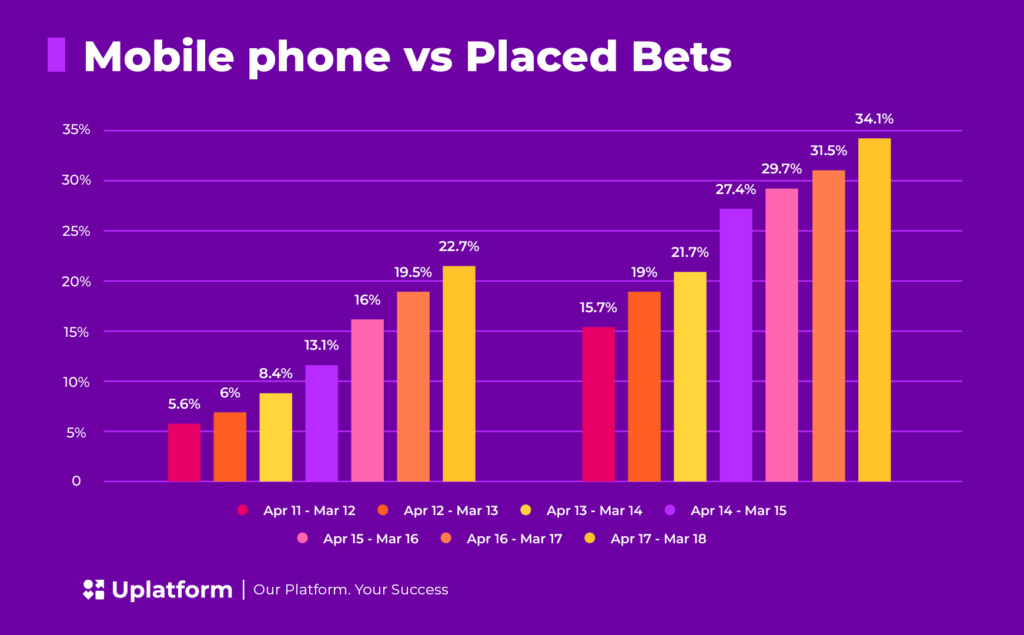
The global sports betting industry has undergone a seismic shift in the past five years, with mobile platforms now accounting for over 78% of all online wagering activity across major markets. This transformation extends far beyond simple convenience—it’s fundamentally reshaping how operators compete, acquire customers, and deliver betting experiences that bridge traditional sports and casino gaming.
What makes this evolution particularly fascinating is how mobile betting has blurred the lines between pure sportsbooks and comprehensive gambling platforms. Modern bettors increasingly expect seamless transitions between placing a wager on the Premier League and spinning the roulette wheel during halftime. Platforms like Vave login exemplify this integrated approach, offering both sports betting and live casino experiences through optimized mobile interfaces that recognize the interconnected nature of contemporary gambling preferences.
The numbers tell a compelling story: mobile betting handle reached $47.2 billion globally in 2026, representing a 312% increase from 2021 figures. But raw volume only scratches the surface of how smartphones have revolutionized the competitive dynamics of sports wagering.
Geographic Battlegrounds: Where Mobile Dominance Varies
The mobile betting revolution hasn’t unfolded uniformly across international markets. European operators report mobile penetration rates exceeding 85% in markets like the United Kingdom and Germany, while emerging Asian markets show even more dramatic mobile-first adoption patterns. In contrast, certain regions of North America still see desktop betting maintaining a 35-40% market share, particularly for complex parlay betting and live trading scenarios.
“The geographic fragmentation of mobile adoption creates fascinating competitive opportunities,” explains Dr. Sarah Chen, Director of Gaming Analytics at the International Betting Research Institute. “Operators who can successfully adapt their mobile strategies to local preferences and regulatory frameworks gain massive first-mover advantages in new markets.”
This geographic variance has created distinct competitive strategies. European operators focus heavily on in-play betting optimization and micro-betting features, while operators targeting Latin American markets prioritize social sharing features and payment method diversity. The result is a patchwork of mobile betting ecosystems, each with unique competitive pressures and customer expectations.
Technology Arms Race: Beyond Basic Mobile Apps
The competition has moved far beyond simply having a functional mobile app. Today’s leading sportsbooks invest heavily in predictive analytics, personalized betting suggestions, and augmented reality features that transform how users interact with sporting events. Live streaming integration has become table stakes, with operators now competing on stream quality, multiple camera angles, and synchronized betting interfaces.
Artificial intelligence plays an increasingly crucial role in mobile betting differentiation. Advanced operators use machine learning algorithms to analyze user behavior patterns, predict betting preferences, and deliver personalized odds boosts in real-time. This technological sophistication creates significant barriers to entry for smaller operators while rewarding those who invest heavily in development capabilities.
The most innovative platforms now offer features like voice betting, biometric authentication, and location-based micro-betting opportunities. These advances aren’t just technological showpieces—they represent genuine competitive advantages in markets where user engagement and retention determine long-term success.
The Casino Gaming Integration Advantage
One of the most significant competitive developments involves the integration of traditional casino games with sports betting platforms. Modern mobile users frequently transition between sports wagering and casino gaming within the same session, creating opportunities for operators who can seamlessly blend these experiences.
Live dealer games have proven particularly effective at increasing user session duration and lifetime value. When a bettor places a soccer wager and then engages with live blackjack while waiting for match results, the combined session value often exceeds the sum of separate gaming activities. This cross-pollination effect has become a key differentiator in mobile betting competition.
Baccarat, in particular, has emerged as a bridge game between sports betting and casino gaming. Its straightforward rules and quick hand resolution make it ideal for mobile play during sports betting sessions. Operators report that users who engage with both sports betting and baccarat show 43% higher monthly retention rates compared to single-product users.
Payment Innovation Drives Market Penetration
Mobile betting competition increasingly centers on payment method innovation and speed. Cryptocurrency integration has moved from novelty to necessity in many markets, with Bitcoin and Ethereum transactions accounting for 23% of mobile betting deposits in 2026. But the real competitive advantage lies in localized payment solutions that cater to specific regional preferences.
Instant withdrawal capabilities have become a crucial differentiator. Operators who can process withdrawals within minutes rather than hours gain significant competitive advantages in user acquisition and retention. This has sparked an arms race in payment processing technology, with leading operators investing millions in blockchain-based settlement systems and direct banking integrations.
The rise of social payment features—allowing users to split bets with friends or create group betting pools—represents another frontier in mobile betting competition. These features tap into the social nature of sports consumption while creating viral user acquisition opportunities that traditional advertising cannot match.
Regulatory Adaptation as Competitive Strategy
The fragmented global regulatory landscape creates both challenges and opportunities for mobile betting operators. Companies that can quickly adapt their platforms to new regulatory requirements gain first-mover advantages in newly regulated markets. This has led to the development of modular platform architectures that can be rapidly customized for different jurisdictions.
“Regulatory agility has become as important as technological innovation in determining market success,” notes Marcus Rodriguez, former Chief Compliance Officer at Global Gaming Ventures. “Operators who can launch compliant mobile platforms within 90 days of regulatory approval consistently outperform competitors who take six months or longer.”
The most successful operators now maintain dedicated regulatory technology teams that monitor global policy developments and prepare platform modifications before regulations are finalized. This proactive approach allows them to capitalize on market opening opportunities while competitors struggle with compliance requirements.
Data Analytics and Personalization Wars
Mobile betting platforms generate unprecedented amounts of user data, creating opportunities for sophisticated personalization strategies that drive competitive differentiation. Leading operators now track hundreds of behavioral indicators, from betting timing patterns to game preference correlations, to create individualized user experiences.
The most advanced platforms use this data to predict user churn risk and deploy targeted retention campaigns. When analytics indicate a user’s engagement declining, automated systems can trigger personalized bonus offers, game recommendations, or customer service outreach. This data-driven approach to user retention has proven far more effective than broad-based marketing campaigns.
Real-time personalization extends to odds presentation, game recommendations, and even user interface customization. Some operators now offer completely personalized mobile experiences where no two users see identical platform layouts or betting options. This level of customization requires significant technological investment but creates powerful competitive moats.
Future Battlegrounds: Emerging Competitive Frontiers
Looking ahead, several emerging trends will likely define the next phase of mobile betting competition. Virtual and augmented reality integration promises to create immersive betting experiences that could revolutionize user engagement. Early experiments with VR sports viewing combined with integrated betting interfaces show promising user engagement metrics.
Social gaming features represent another competitive frontier. Platforms that successfully gamify the betting experience—through achievement systems, leaderboards, and social challenges—show significantly higher user engagement rates. The key lies in balancing social features with responsible gambling practices and regulatory compliance.
Artificial intelligence will continue driving competitive differentiation, particularly in areas like automated customer service, fraud detection, and predictive betting suggestions. Operators who can deploy AI effectively across all platform functions will likely maintain significant advantages over competitors relying on traditional approaches.
The mobile betting revolution has fundamentally altered the competitive landscape of sports wagering, creating new winners and losers while establishing entirely new categories of competitive advantage. As the industry continues evolving, success will increasingly depend on technological sophistication, regulatory agility, and the ability to create integrated entertainment experiences that transcend traditional gambling categories. The operators who recognize and adapt to these changing dynamics will define the future of global sports betting competition.